WOUTERS GALLERY - BRUSSELS / PARKING WIELS - BRUSSELS / RECYCLART ART CENTER - BRUSSELS /
AVEE GALLERY - KORTRIJK / KANAL CENTRE POMPIDOU - BRUSSELS / BUDA ART CENTER - KORTRIJK /
10N GALLERY - BRUSSELS / BPSS22 - CHARLEROI / BOZAR - BRUSSELS
WOUTERS GALLERY - BRUSSELS / PARKING WIELS - BRUSSELS / RECYCLART ART CENTER - BRUSSELS /
AVEE GALLERY - KORTRIJK / KANAL CENTRE POMPIDOU - BRUSSELS / BUDA ART CENTER - KORTRIJK /
10N GALLERY - BRUSSELS / BPSS22 - CHARLEROI / BOZAR - BRUSSELS
(2020--ongoing)
In the spring and summer of 2020, as the world slowly emerged from lockdown, Brussels- based artist
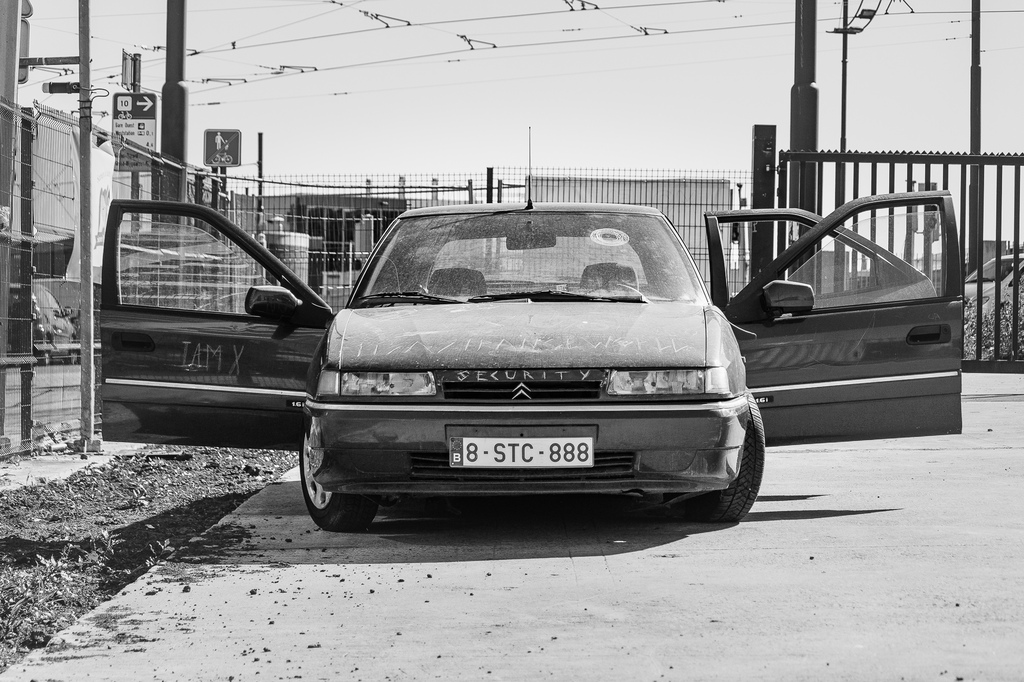
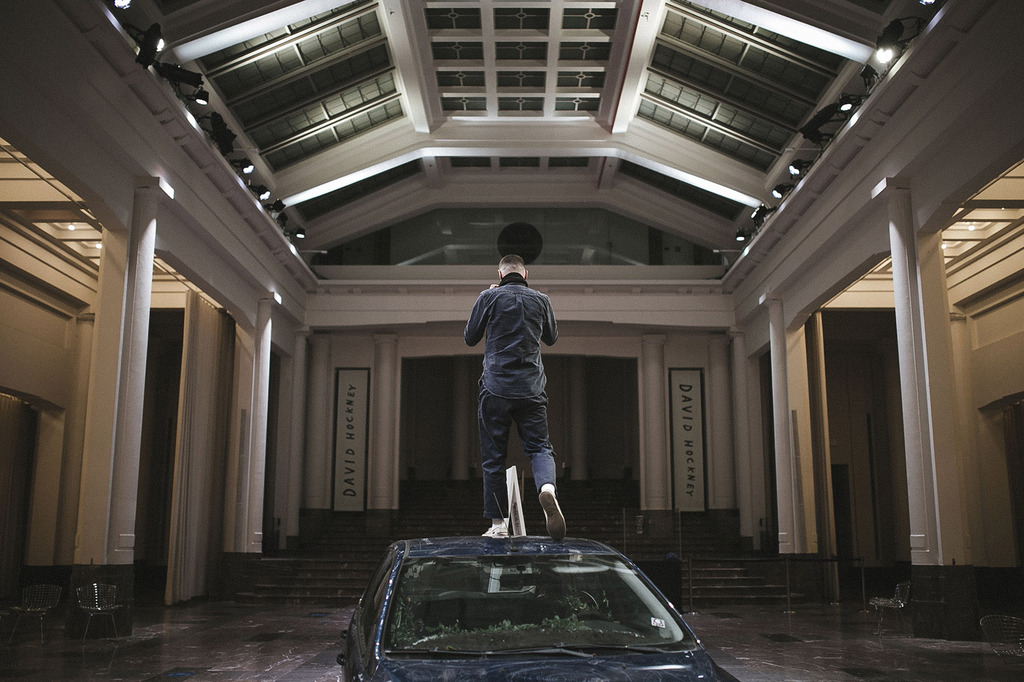
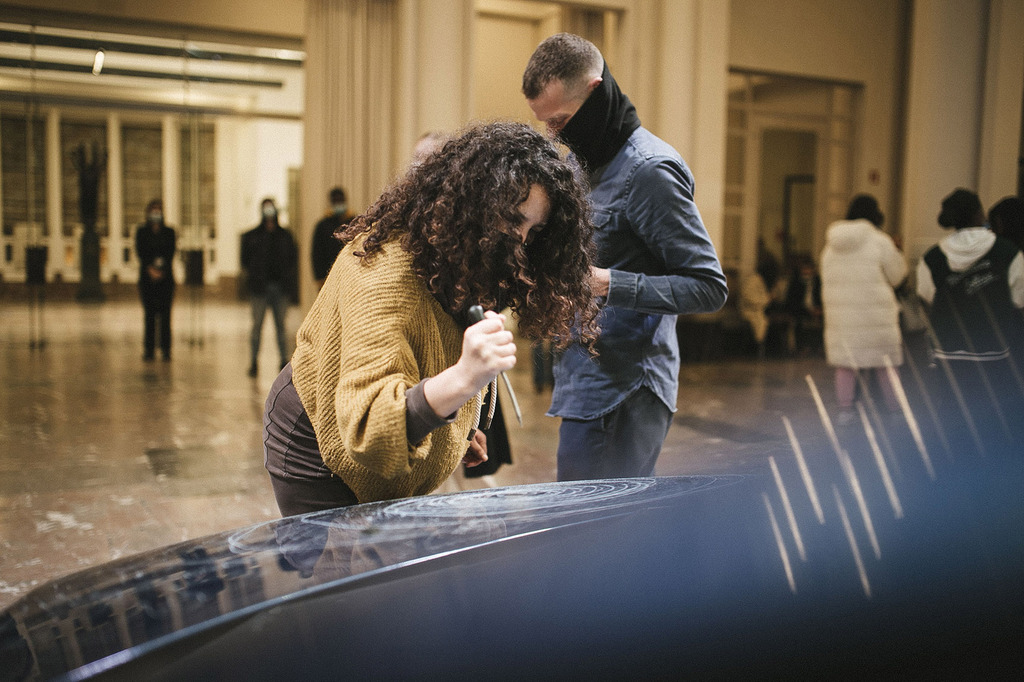
Eric Vanuytven launched Scar the Car, a raw, participatory performance piece inviting people to inscribe their grief, hope, and memory onto the surface of abandoned cars. What began as a one-off happening evolved into a mobile, sculptural ritual that travelled across Brussels.
Rooted in Vanuytven’s background, both personal and artistic, the project brought together his past as a graffiti artist, the influence of performance and social practice art, and his deep family ties to the world of automobiles. The son and grandson of local car mechanics,
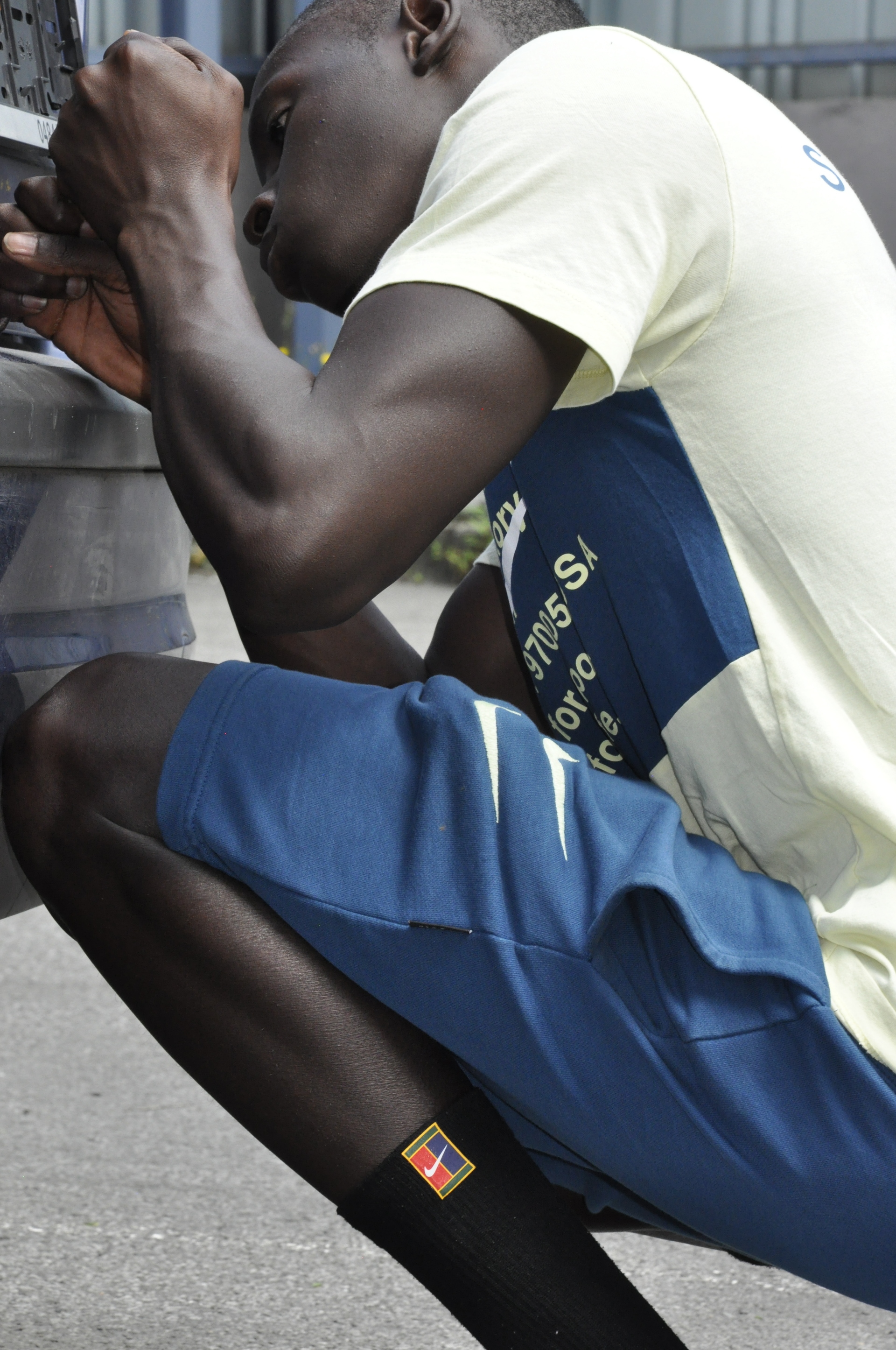
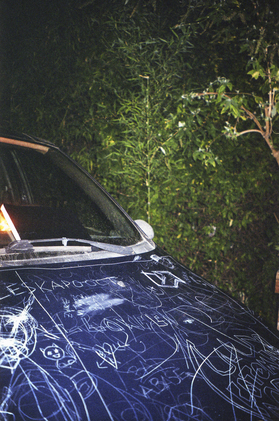
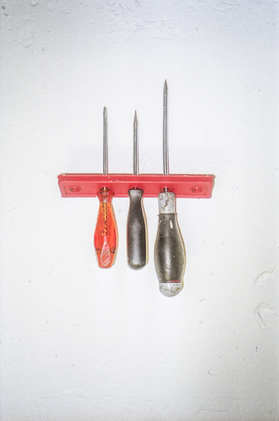
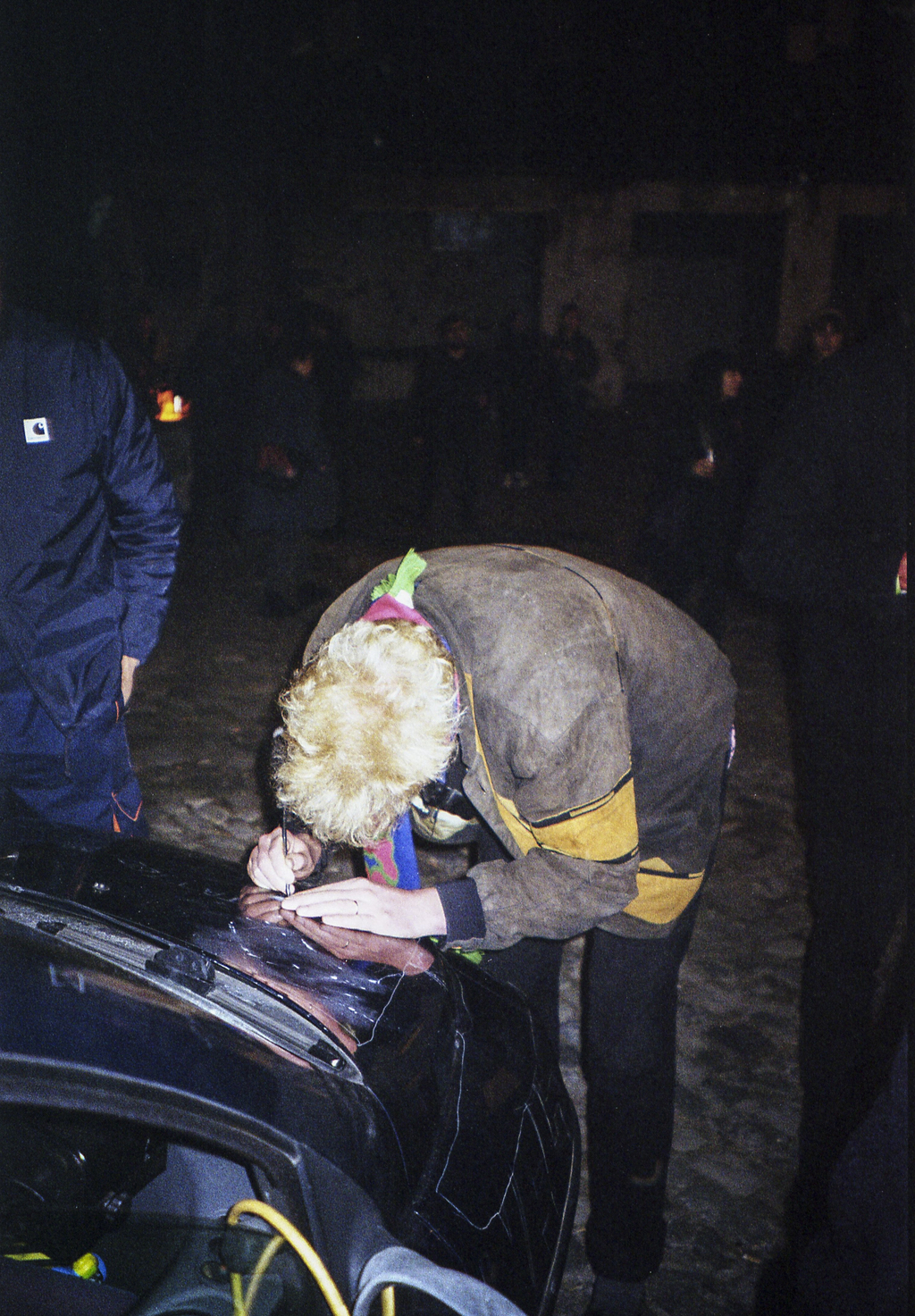
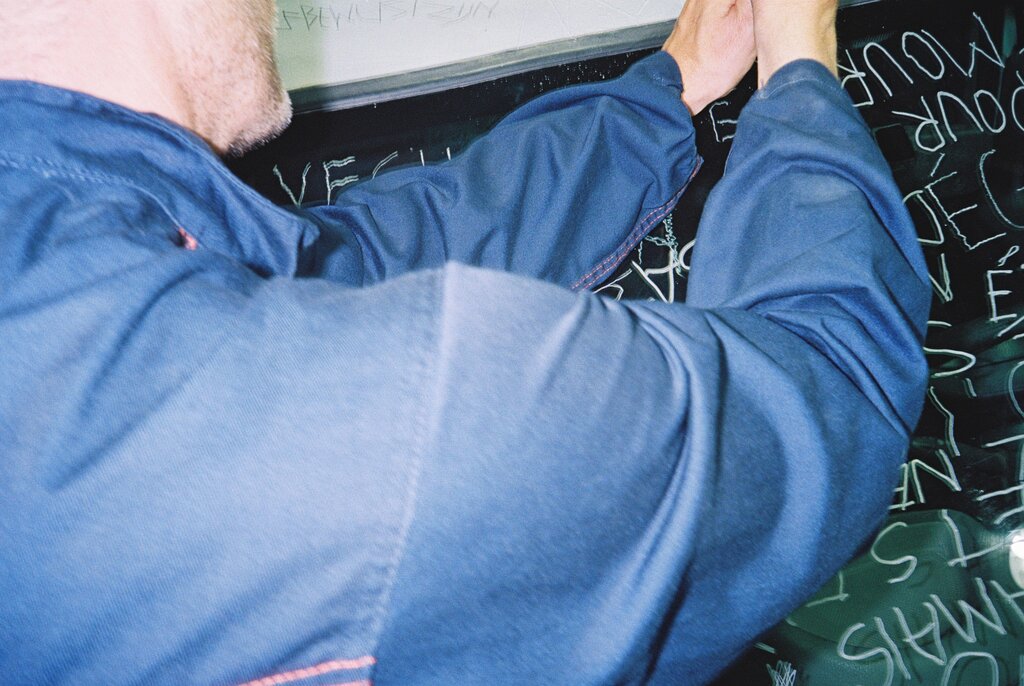
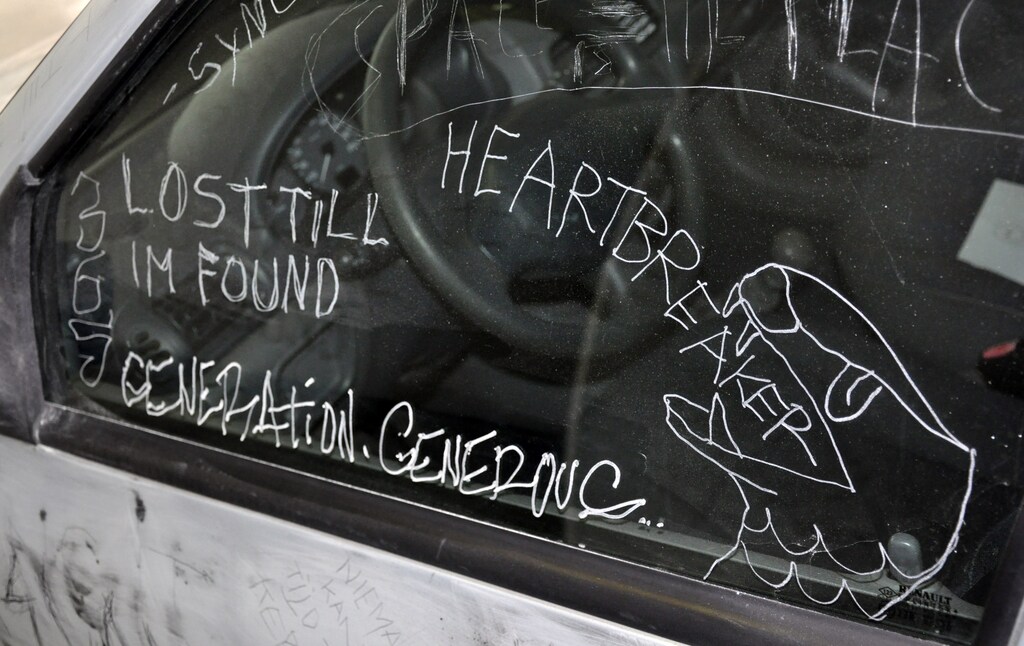
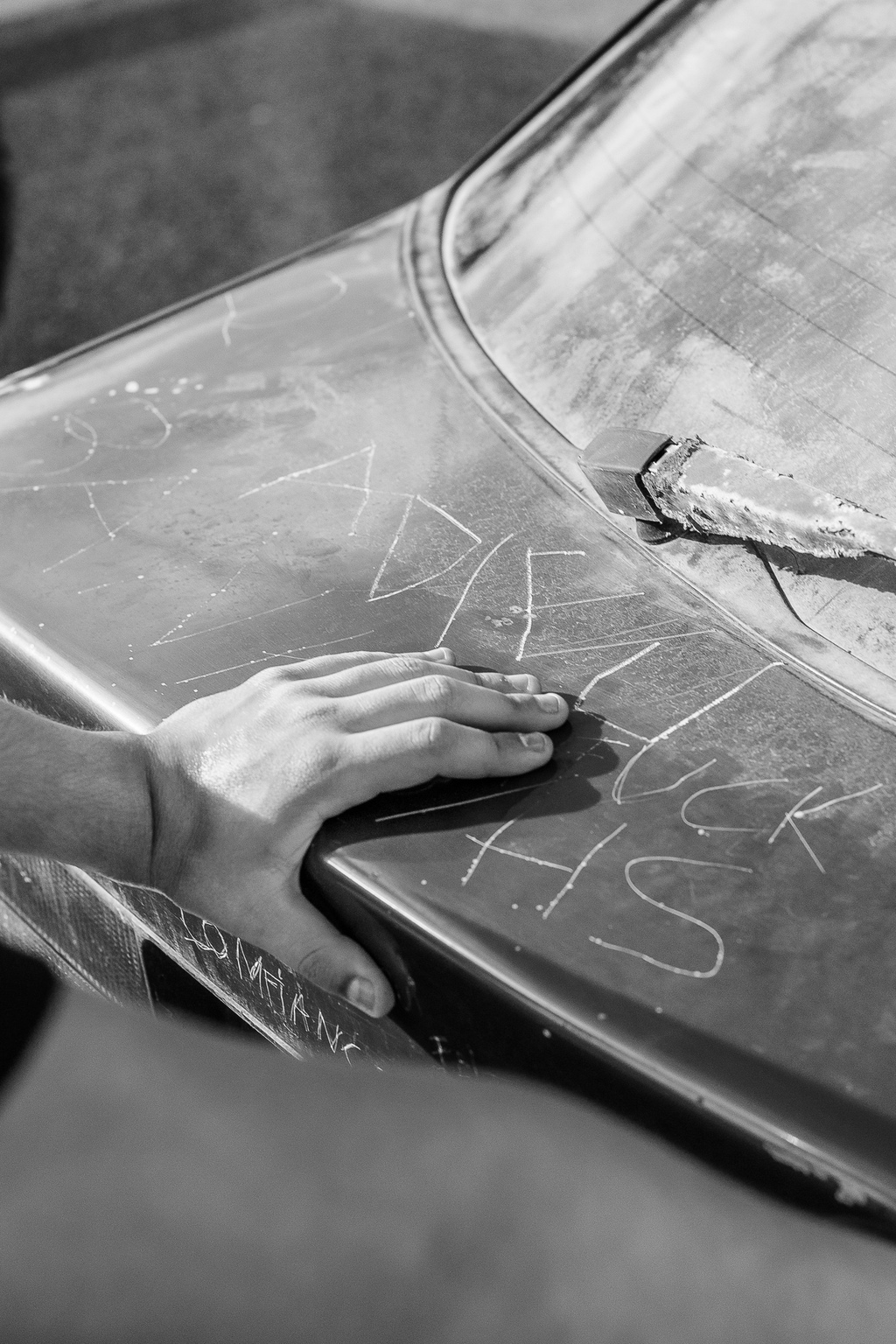
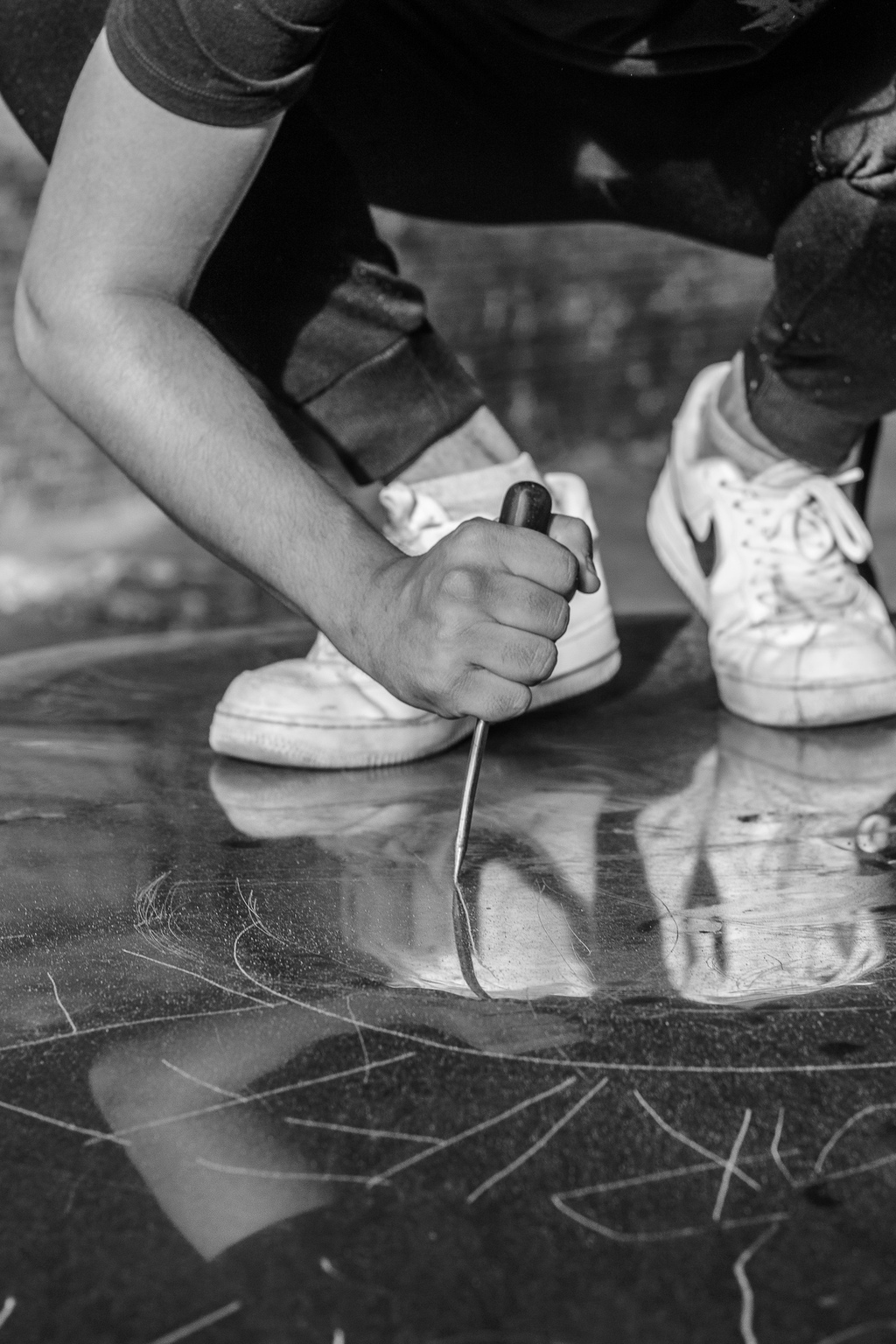
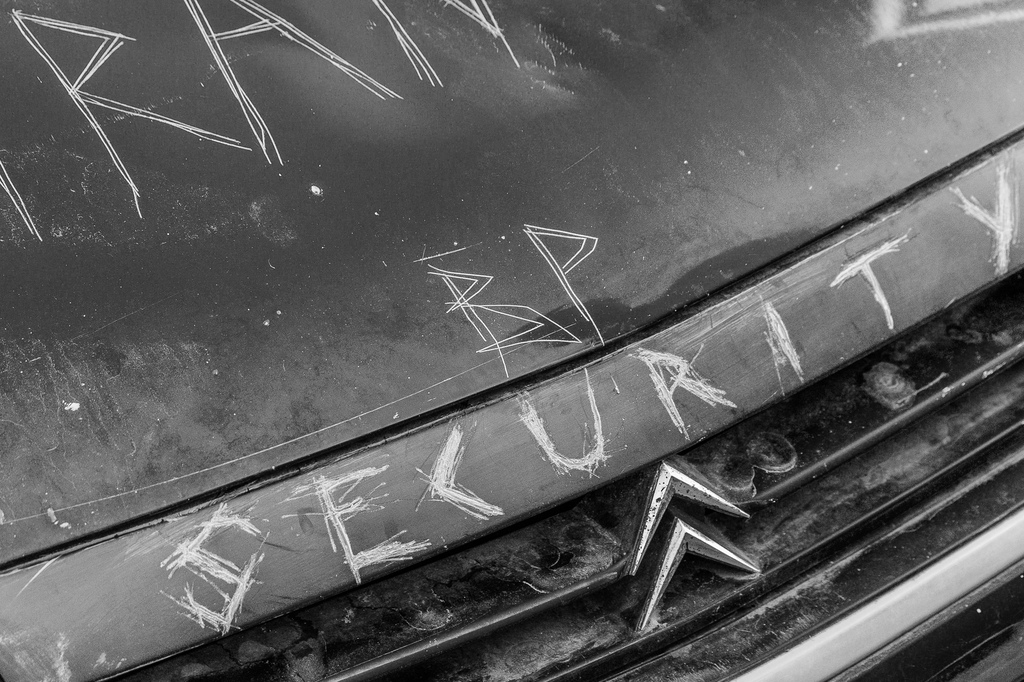
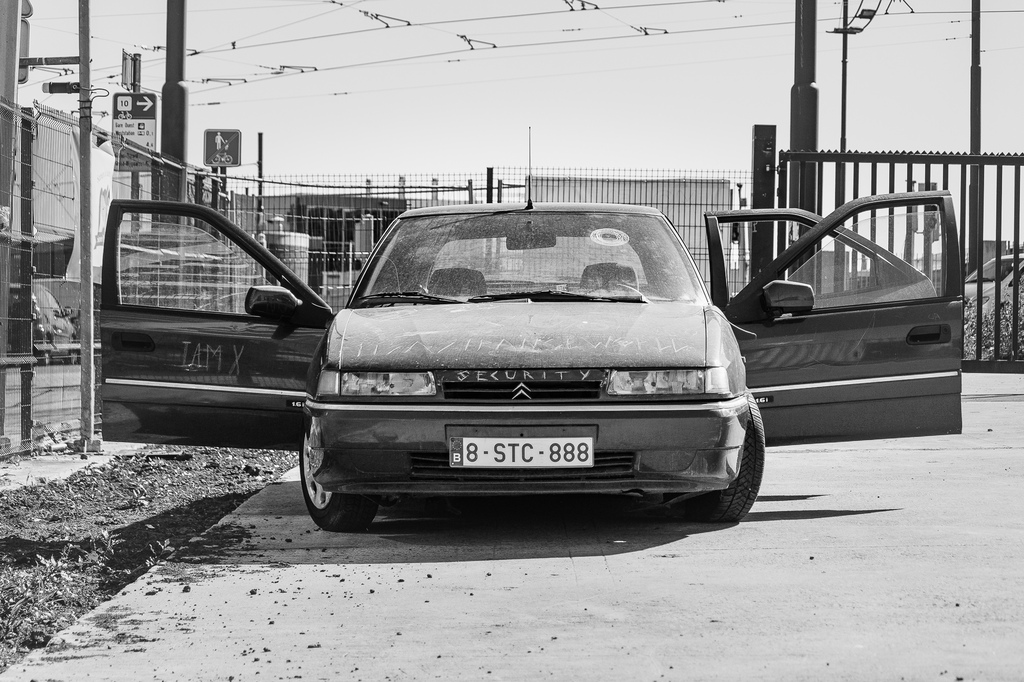
Vanuytven transformed discarded vehicles into vessels for collective mourning. Using simple tools, visitors were invited to scratch words, phrases, or symbols into the car's bodywork. What once was vandalism became ritual. Destruction became expression.
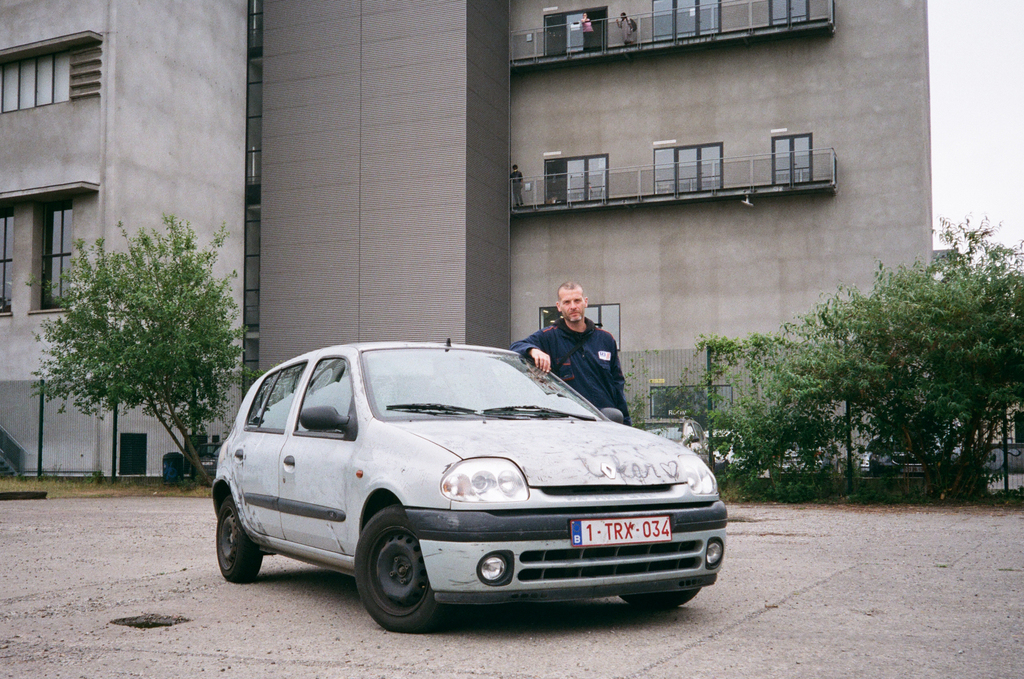
Each car developed its own story. The first, a blue Lancia once parked inside an event at Chez Madeleine, became the catalyst. Later vehicles, like the Renault Clio, took on the shared emotional weight of the COVID-19 pandemic.
Messages about loss, isolation, fear, and resilience, covered the metal. As more people engaged with the surface, a spontaneous theme would emerge, guiding future inscriptions. The car became a social sculpture, its skin recording a layered narrative of the moment.
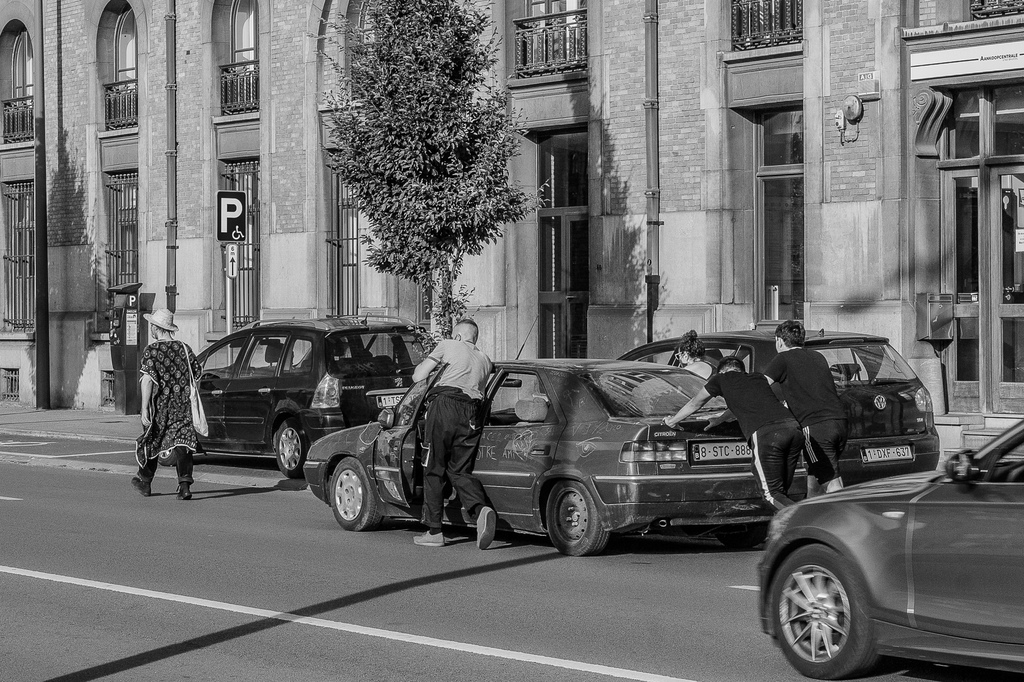
From WIELS to Recyclart, LaVallée to Weststation, each stop added new voices. Scar the Car culminated in a public procession: the car was pushed through the streets from Gare del’Ouest to KANAL – Centre Pompidou, located in the former Citroën showroom. There, under the monumental industrial roof, the car-turned-sculpture reached its symbolic final destination, only to be cut into pieces. Its fragments, its scars, were preserved in the form of a book.
Accompanying this act was the video work Mourning Walk, documenting the car’s journeythrough the city, turning Brussels itself into a stage for slow, silent reflection.
With echoes of Joseph Beuys’ “vehicles of transformation” and the participatory ethos ofAllan Kaprow, Scar the Car invited a form of healing through action. Mourning became movement. The car, often a symbol of status, pollution, or escape, was reclaimed as a site of shared emotion.